
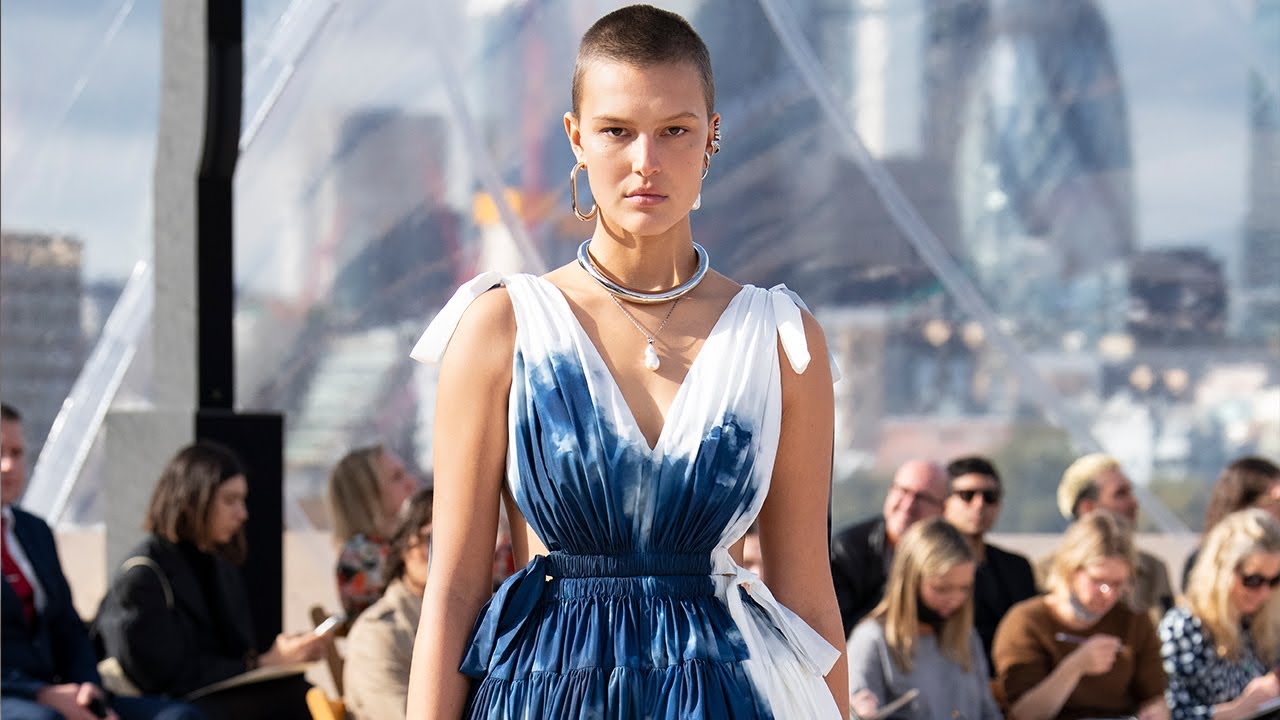
Few names spark as much creative reverence and conversation in the world of contemporary fashion as Alexander McQueen. As a visionary British designer, McQueen’s short but impactful career disrupted traditions, shaped new sartorial conversations, and established design standards that continue to inform creative minds around the globe. This article explores his transformative effect on modern fashion, analyzing signature techniques, thematic risk-taking, boundary-pushing storytelling, and the continuing impact seen on today’s runways and beyond.
The Craft Behind Technical Excellence
A central pillar of Alexander McQueen’s legacy is his unwavering dedication to supreme technical mastery, and his training as a Savile Row tailor gave him an exceptional command of garment construction that few peers could match. This foundation allowed him to merge traditional craftsmanship with bold, unconventional reinterpretations, infusing his designs with historical echoes while driving them into the future through innovative, avant‑garde silhouettes.
For instance, McQueen’s Spring/Summer 1999 collection combined impeccably tailored pieces with sweeping, sculptural shapes. His iconic “bumster” trousers, defined by an ultra-low rise, defied the dominant 1990s proportions and went on to shape both luxury and mainstream fashion for many years. The intricate construction of his designs, including the spiral-cut dresses and the meticulously crafted feathers showcased in the Autumn/Winter 2008 “The Girl Who Lived in the Tree” collection, set new standards that inspired contemporaries and emerging talents to pursue comparable levels of creative and technical ingenuity.
Narrative Art Shaped by Theatrical Flair
Emphasizing not just apparel but experience, McQueen revolutionized the fashion show format. His presentations were immersive, almost operatic explorations of dark beauty, mortality, romanticism, and human struggle. Rather than simply displaying collections, McQueen’s runway shows—such as the Spring/Summer 2001 “Voss,” featuring models inside a glass box—aired as poignant, sometimes unsettling narratives that left lasting cultural impressions.
This storytelling approach set a precedent embraced by subsequent designers and brands. Fashion week events transformed from simple showcases to multidimensional spectacles, raising expectations for how clothing collections should be introduced to the world. The thematic unity and psychological depth of McQueen’s shows inspired brands such as Valentino and Maison Margiela to invest more heavily in narrative-driven presentations. Moreover, the emotive, conceptual approach to garment design now permeates the collections of emerging creatives worldwide, reflecting McQueen’s sustainable legacy in the art of fashion theater.
Expanding the Frontiers of Aesthetic and Cultural Expression
McQueen consistently confronted difficult themes, often weaving allusions to history, the natural world, and contentious social debates into his creations. His Autumn/Winter 1995 “Highland Rape” collection, for example, drew on the historical trauma of Scotland’s Clearances, blending shredded lace with weathered tartan to deliver a powerful reflection on oppression and identity.
Through his collections, McQueen expanded the scope of fashion’s expressive power, opening space for conversations about gender, authority, and fragility. His style often overturned established notions of beauty; for instance, the “Widows of Culloden” (Autumn/Winter 2006) presentation, widely interpreted as a reflection on grief, merged Victorian mourning garments with a sharply contemporary edge. These striking contrasts and unapologetic narratives have encouraged modern designers like Gareth Pugh and Iris van Herpen to craft creations that move fluidly across the usual borders separating art, fashion, and social commentary.
Advances in Sustainable Practices and Emerging Technologies
While often celebrated for showmanship and concept, McQueen’s influence extends into the technological and ecological evolution of fashion. His experimentation with materiality—such as using molded glass, shells, and even live elements—prefigured today’s broader search for innovative, sustainable alternatives to traditional textiles. The Spring/Summer 2010 “Plato’s Atlantis” collection, memorable for the introduction of the now-iconic “armadillo” boots, utilized computer-generated prints and 3D scanning, paving the way for future integrations of tech with haute couture.
Modern labels now more openly recognize their environmental duties and technological potential, continuing a dialogue McQueen sparked through his bold design vision. His studio’s pioneering and conscientious production methods, combined with its readiness to embrace innovative materials, have motivated a new wave of designers committed to eco‑minded luxury and digitally driven creativity.
Lasting Impact on Fashion Instruction and Mentorship
McQueen’s influence also permeates fashion’s academic sphere and its mentorship circles, as his background at Central Saint Martins allowed him to fuse creative expression with technical mastery for emerging designers. His archived creations remain fixtures in international museum exhibitions and design curricula. Former collaborators, including Sarah Burton, who later assumed the role of creative director, have continued to define the McQueen house and impact related labels while preserving his commitment to originality and excellence.
The worldwide impact of McQueen’s methodology appears in the growing field of interdisciplinary programs that merge digital arts with fashion and motivate students to explore challenging themes, while institutions such as the Fashion Institute of Technology and the Royal College of Art take clear cues from McQueen’s rule‑breaking vision to cultivate a new wave of creatives driven to question, unsettle, and reinvent the very role of fashion.
Alexander McQueen’s influence on contemporary fashion is woven across the technical, artistic, and philosophical fabric of the industry. His pioneering spirit—visible in every sharply cut seam, every theatrical runway moment, and every risk-laden exploration of taboo subjects—continues to shape both the aspirations and output of designers and creatives globally. By daring to challenge convention and inviting audiences to engage intellectually and emotionally with fashion, McQueen ensures that the conversation he started remains as urgent and relevant as ever.