
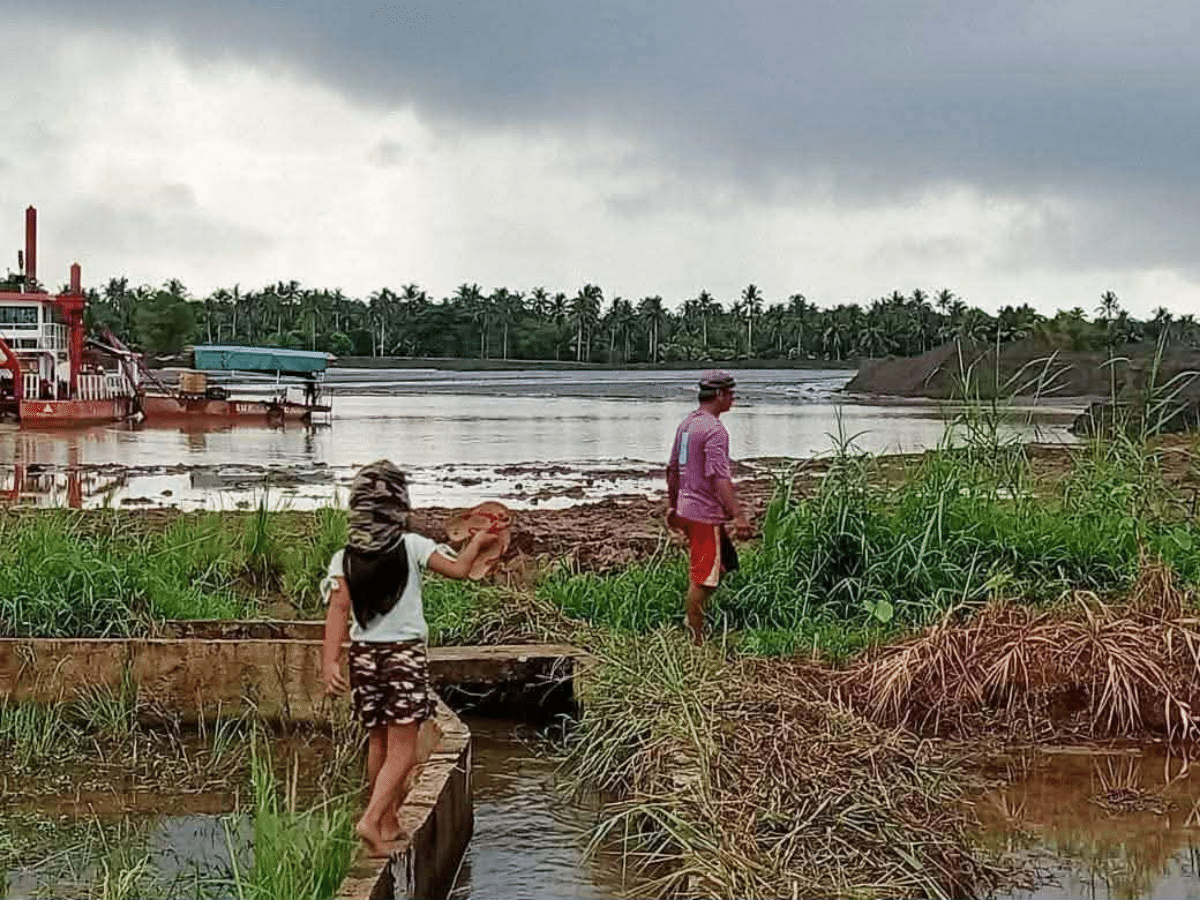
Ghana’s economy is anchored by two interlinked sectors: mining and agriculture. Mining — led by gold, manganese, bauxite and industrial minerals — is a major provider of export earnings and government revenue. Agriculture, dominated by cocoa, staples and smallholder production systems, supports livelihoods for a large share of the population and supplies global commodity chains. Both sectors create wealth and stress ecosystems and communities. Corporate social responsibility (CSR) and transparency therefore matter not as optional extras but as essential tools to manage environmental risk, protect human rights, and deliver durable community benefits.
Key CSR challenges in Ghana’s mining sector
Ghanaian mining contends with numerous, widely recognized CSR issues:
- Environmental impacts: widespread forest loss, degraded soils, sediment-choked rivers and polluted waterways resulting from tailings and chemical use, including mercury applied in artisanal operations.
- Artisanal and small-scale mining (ASM): unlawful extraction, locally noted for its breadth and ecological damage, intensifies tensions between companies and nearby residents and complicates enforcement efforts.
- Land and livelihood loss: community displacement, reduced farmland and disrupted fishing activities often trigger persistent complaints.
- Revenue transparency and benefit-sharing: residents consistently indicate scarce insight into corporate payments, mitigation funding and commitments to local hiring.
- Mine closure and legacy liabilities: limited reclamation resources and inadequate long-term planning leave communities facing pollution risks and diminished earnings after operations cease.
Responsibility in mining therefore requires comprehensive upstream planning (environmental and social impact assessments), ongoing stakeholder engagement, transparent reporting of payments and community investments, and legally secured mechanisms to ensure post-closure remediation.
Case studies and company actions within the mining sector
Several international and local mine operators have set up CSR mechanisms to meet community needs and strengthen their social license to operate:
- Dedicated development foundations: entities such as the Newmont Ahafo Development Foundation (NADF) and other sector-driven foundations direct corporate resources toward education, healthcare, water access and livelihood initiatives within host districts.
- Rehabilitation projects: coordinated public-private actions have been deployed to restore waterways and reforest damaged mine environments in impacted areas, often undertaken with district assemblies and civil society partners.
- Local content and employment programs: tailored vocational training and sourcing from Ghanaian vendors seek to broaden the local economic gains derived from mining operations.
These interventions demonstrate promise, though their effectiveness hinges on transparent budgets, publicly shared results, and independent oversight.
CSR and sustainability in Ghanaian agriculture — cocoa as a test case
Cocoa sits at the heart of Ghana’s agricultural CSR discourse. The nation ranks as the world’s second-largest producer, and cultivation relies on several hundred thousand smallholder farmers and their households. Major CSR concerns surrounding cocoa include:
- Farmer livelihoods: low farm-gate prices, rising production expenses and limited landholdings continually expose farmers to income instability.
- Deforestation and land-use change: the shift from forested areas to cocoa cultivation diminishes biodiversity and reduces carbon reserves.
- Child labor and labor rights: labor conditions on certain farms have drawn global attention and spurred actions from retailers and manufacturers.
- Traceability and value capture: inadequate traceability hampers the ability to direct assistance, assess outcomes and incentivize sustainable approaches.
Corporate responses combine direct farmer programs, certification schemes and public-private partnership interventions.
Notable agricultural CSR initiatives and transparency mechanisms
Key examples show how CSR can be organized to expand its reach and strengthen accountability:
- National policy tools: Ghana Cocoa Board (COCOBOD) establishes producer prices, oversees rehabilitation schemes and manages national extension services; decisions such as the Living Income Differential launched with Ivory Coast demonstrate sector-wide CSR approaches.
- Company programs: industry-driven efforts like Cocoa Life, the Nestlé Cocoa Plan and other supplier-led initiatives provide inputs, farmer capacity building, child labor monitoring and agroforestry assistance while pursuing stronger traceability.
- Certification and market incentives: Rainforest Alliance and Fairtrade certification, together with private traceability pilots (including digital and blockchain experiments), seek to reassure purchasers and consumers regarding origin and responsible practices.
Transparency in these initiatives depends on publicly available program results, third-party verification and regular disclosure of investments and outcomes.
Transparency frameworks that truly make a difference
Effective transparency connects financial flows, environmental results and social performance:
- Extractive sector transparency: Ghana takes part in the Extractive Industries Transparency Initiative (EITI), which releases reconciled figures on payments made by both government and companies and encourages the publication of contracts, licensing details and beneficial ownership data.
- Project-level disclosure: sharing environmental and social impact assessments (ESIAs), community development agreements and yearly CSR allocations allows impacted communities to monitor firms and demand accountability.
- Third-party monitoring and civil society: independent audits, oversight by local NGOs and the use of community scorecards enhance trustworthiness and reveal discrepancies between commitments and actual results.
- Supply-chain traceability in agriculture: public information on volumes, premium disbursements (such as the Living Income Differential) and farmer registries reinforces supervision and supports targeted actions.
Transparency mechanisms reduce the risk of corruption, clarify expectations between companies and communities, and allow donors and government to prioritize scarce resources.
Creating sustainable community initiatives: key principles and real-world examples
Sustainable community initiatives extend beyond isolated contributions to create systems that strengthen long-term resilience. Key design principles emphasize local stewardship, multi-year funding commitments, clear performance metrics, gender-responsive planning, and environmentally sound practices. Representative project categories with illustrations:
- Water, sanitation and hygiene (WASH): installation of boreholes, piped networks, and sanitation blocks developed through company–community cost-sharing, combined with water-quality tracking to maintain reliable service over time.
- Agricultural diversification and climate-smart agriculture: training programs focused on agroforestry, intercropping, and drought-tolerant crops; examples feature company-supported extension initiatives that merge cocoa rehabilitation with extensive tree planting.
- Alternative livelihoods for ASM-affected communities: vocational pathways in carpentry, mechanized agriculture, aquaculture, and beekeeping designed to reduce dependence on illegal mining and expand lawful income opportunities.
- Education and health investments: development of schools, scholarship schemes, and health clinics, structured as public–private partnerships so that operational expenses are managed by local authorities or dedicated trust funds.
- Community-managed environmental rehabilitation: reforestation efforts and riverbank restoration using paid local labor, generating employment while restoring essential ecosystem functions.
When built into long-term development plans and embedded in local governance structures, these projects yield higher social return and resilience to shocks.
Assessing impact: metrics and insights
Robust CSR depends on reliable metrics. Valuable indicators for mining and agriculture initiatives can encompass:
- Economic: local job creation levels, shifts in household earnings among participants, and volumes sourced through local procurement.
- Social: school attendance figures, measures of access to healthcare, and, where applicable, the incidence of child labor.
- Environmental: areas of land restored, assessments of water quality, survival rates of planted trees, and declines in mercury or sediment concentrations.
- Governance and transparency: disclosure of CSR budgets, punctuality of reporting, the tally of resolved grievances, and community feedback scores.
Data ought to be gathered regularly, disclosed publicly, and verified independently whenever feasible to foster trust.
Policy levers and stakeholder roles
A resilient approach to CSR and sustainability in Ghana depends on a balanced combination of government rules, corporate conduct, civil society scrutiny, and empowered local communities:
- Government: binding ESIA obligations, transparent licensing processes, equitable benefit-sharing mechanisms, and financial guarantees for eventual mine closure.
- Companies: early disclosure of potential impacts and allocated funds, collaborative CDAs, locally sourced procurement, and investments that support durable, income-producing community resources.
- Civil society and media: oversight roles, independent evaluations, and support for community participation during negotiations.
- Donors and international buyers: financial backing for capacity development, verification tools, and market-driven incentives that encourage sustainable methods and traceable supply chains.
Applying these levers in a coordinated way can move CSR from optional philanthropy to a fully embedded development approach.
Obstacles and trade-offs to manage
Real-world implementation faces constraints:
- Fragmented governance: overlapping mandates and limited district capacity slow project follow-through.
- Short funding horizons: CSR budgets that are annual or tied to commodity cycles undermine long-term infrastructure and maintenance.
- Power imbalances: communities may lack the negotiation capacity needed to secure fair agreements, leading to uneven benefit distribution.
- Market volatility: commodity price swings can reduce resources available for CSR unless mechanisms like trust funds or endowments are used.
Addressing these obstacles requires legal safeguards, multi-year financing commitments and capacity building for local stakeholders.
A blueprint for enhanced practice: practical, ready-to-use recommendations
Practical steps that advance CSR, reinforce transparency and foster sustainable results include:
- Release project-level budgets and results: companies are expected to present yearly CSR allocations per project and track progress through clear, quantifiable indicators.
- Establish community development trusts: formally constituted trusts with autonomous boards and open disbursement procedures designed to guide and safeguard long-term investments.
- Require and fund mine closure plans: mandate financial guarantees for site reclamation and conduct regular independent assessments to verify closure preparedness.
- Broaden traceability and living-income initiatives in cocoa: extend digital farmer registration systems, offer market-based premiums such as Living Income Differentials, and channel resources into local processing that enhances value.
- Advance ASM formalization: initiatives that supply permits, safer equipment, diversified livelihood options and mercury-reduction methods help curb environmental damage and illicit activity.
- Embed independent monitoring: build the capacity of local civil society and uphold community access to grievance channels and remediation pathways.
These measures connect private motivations with wider public benefits and lessen the likelihood that CSR becomes mere window dressing.
Ghana’s twin challenges of harnessing mining rents and sustaining agricultural livelihoods demand integrated approaches where transparency is a practical enabler of sustainability. When companies publish clear budgets, governments enforce environmental and social safeguards, and communities participate in design and monitoring, CSR becomes a vehicle for durable development rather than a temporary goodwill gesture. Effective projects couple immediate needs—clean water, clinics, income support—with investments that protect natural capital and diversify livelihoods. The path forward depends less on novel technologies than on predictable finance, accountable institutions and genuine partnerships that center community voice.