Social Responsibility

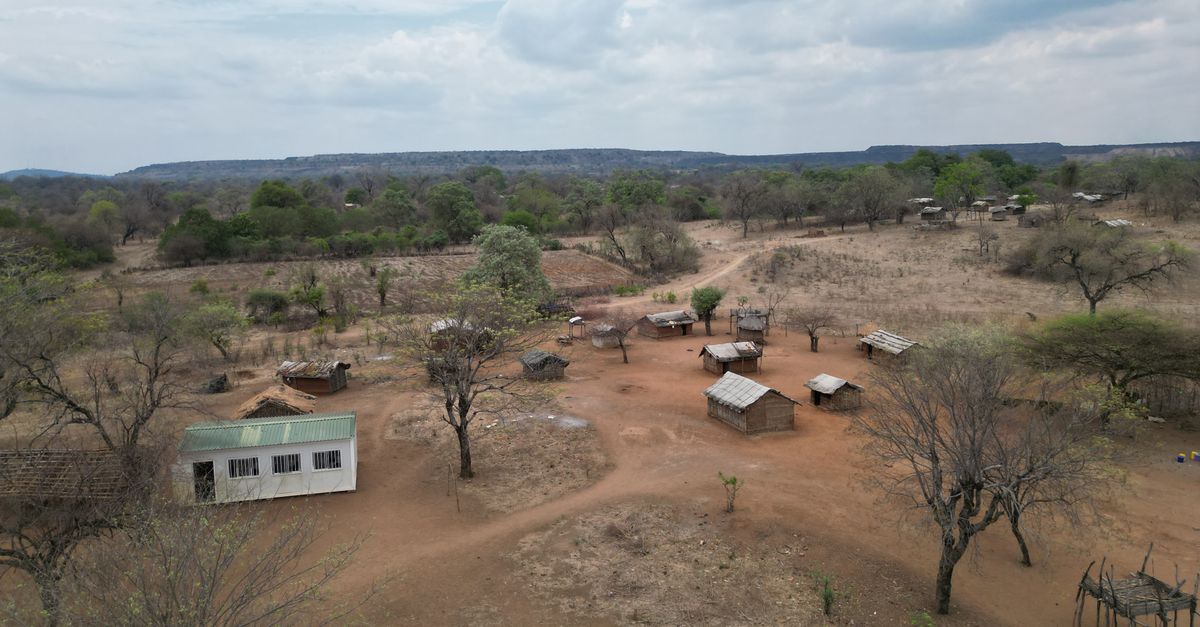
Cameroon: CSR cases protecting forests and supporting alternative community incomes

CSR in Cameroon: Safeguarding Forests & Fostering Alternative Incomes

Cameroon sits at the ecological heart of the Congo Basin and contains large tracts of tropical forest that provide global climate regulation, biodiversity habitat, and local livelihoods. Corporate activity in the forest landscape—ranging from logging and plantation agriculture to commodity sourcing and infrastructure development—has stimulated a range of corporate social responsibility (CSR) responses. These responses aim both to reduce negative environmental impacts and to support alternative, sustainable sources of local income. This article reviews the context, typologies of CSR interventions, documented cases and results, common challenges, and practical design principles for CSR programs that genuinely protect forests while strengthening community…
Read More
Brunei: energy CSR promoting efficiency and environmental education in schools

Brunei: Energy CSR’s Role in School Efficiency & Environmental Learning

Brunei Darussalam, endowed with abundant oil and gas reserves, maintains an economy and public sector finances that remain deeply linked to hydrocarbon output. Within this landscape, energy companies carry a significant social role and accompanying obligations. Corporate social responsibility (CSR) initiatives that emphasize energy efficiency and environmental education in schools generate a wide range of advantages: public institutions can lower operating expenses, greenhouse gas emissions decline, young people gain greater climate awareness, and companies deepen their community engagement. Thoughtfully crafted efforts connect national development goals, school wellbeing, and corporate credibility while supporting Brunei’s aim to broaden social progress beyond its…
Read More
United States: CSR cases advancing workforce diversity and responsible procurement

Advancing CSR: US Diversity & Procurement Practices

Corporate social responsibility (CSR) in the United States has evolved from a focus on charitable contributions to a broader shift toward integrating social objectives into recruitment, supplier evaluation, and purchasing practices. Growing emphasis on two interconnected priorities — workforce diversity and responsible procurement — increasingly positions them as strategic catalysts for innovation, organizational resilience, and expanded market reach. This article brings together policy context, research findings, concrete examples from corporate and public entities, implementation frameworks, measurable impacts, and actionable guidance for organizations aiming to strengthen both equitable hiring practices and inclusive supply chain development.The importance of cultivating workforce diversity and…
Read More
Eswatini: CSR cases supporting preventive health and workplace well-being

Eswatini: CSR Initiatives for Preventive Health & Workplace Wellness

Eswatini contends with unique public health and workplace issues driven by its small, open economy, substantial communicable disease rates, and a sizable informal labor sector, while corporate social responsibility in Eswatini has shifted from simple charity toward more strategic efforts that safeguard employee well-being, mitigate operational risks, and reinforce community stability, and this article brings together prevalent CSR strategies, illustrative case-style scenarios, trackable results, implementation insights, and actionable guidance for companies and partners aiming to advance preventive health and workplace wellness.Context and public health prioritiesEswatini has long contended with significant HIV and tuberculosis challenges and is increasingly responding to noncommunicable…
Read More
Slovakia: automotive CSR boosting training and plant safety

Boosting Safety & Training: Slovakia’s Automotive CSR Focus

Slovakia ranks among Europe’s most densely concentrated car‑manufacturing nations, supported by an extensive network of global automakers and suppliers. This industrial clustering places exceptional weight on corporate social responsibility (CSR) and workplace safety, as factory efficiency, community engagement, and regulatory adherence are closely tied to how companies prepare their workforce and control operational risks. This article explores how CSR shapes training and safety practices throughout Slovakia’s automotive industry, showcases practical methods, and underscores the social and business gains generated by such investments.Why CSR, Training, and Safety Matter in Slovakia’s Automotive SectorSlovakia’s automotive footprint shapes national employment, exports, and regional development.…
Read More
Cambodia: manufacturing CSR focused on worker well-being and literacy programs

Cambodia: manufacturing CSR focused on worker well-being and literacy programs

Cambodia’s manufacturing sector, largely centered on garments, footwear, and light assembly, has long powered the country’s export‑driven expansion and job creation. Employing hundreds of thousands of people—most of them women—it contributes a significant portion of national export revenue. In recent years, evolving global buyer standards, domestic labor reforms, and international oversight initiatives have encouraged many firms and brands to shift from basic regulatory compliance toward more forward‑looking CSR efforts that support worker well‑being and literacy. This article explores the reasoning, supporting evidence, program frameworks, obstacles, and actionable guidance for implementing effective CSR in Cambodian manufacturing, illustrating key points through examples…
Read More
Spain: CSR initiatives strengthening labor inclusion and work-life balance

Driving Labor Inclusion & Work-Life Balance: Spain’s CSR

Over the past decade, Spain has experienced a convergence of regulatory reforms, corporate engagement, and civic initiatives that has placed corporate social responsibility (CSR) at the forefront of efforts to enhance labor inclusion and work-life harmony, with companies, public bodies, and nonprofit groups increasingly viewing social outcomes as essential to long-term competitiveness; inclusive recruitment, adaptable schedules, parental assistance, and specialized training have become standard CSR components, and this article presents an overview of the policy environment, business approaches, tangible results, illustrative examples, ongoing challenges, and practical guidance for expanding effective CSR across Spain.Policy and regulatory landscape influencing CSR- Spain’s labor…
Read More
Egypt: industrial CSR improving workplace safety and resource efficiency

How CSR Improves Safety & Efficiency in Egypt

Industrial corporate social responsibility (CSR) in Egypt is increasingly framed around two tightly linked priorities: protecting workers and using resources more efficiently. As the country pursues economic growth under national strategies such as Egypt Vision 2030, manufacturers, energy firms, construction companies, and industrial parks are turning CSR commitments into practical safety systems and resource-efficiency programs that lower costs, reduce environmental impact, and improve social outcomes.The importance of workplace safety and resource-efficient practices for Egypt’s industrial sectorWorkplace safety has a direct impact on employees, operational efficiency, and overall expenses, as hazardous environments can raise absenteeism, boost insurance costs, and drive higher…
Read More
Brazil: CSR cases integrating reforestation and responsible supply chains

Integrating Reforestation & Responsible Supply Chains in Brazil’s CSR

Brazil's land-use profile links global supply chains with one of the planet's largest remaining tropical forest stocks. Agricultural expansion, timber production and commodity exports have driven deforestation for decades, while increasing corporate and civil-society pressure has produced a wave of corporate social responsibility (CSR) initiatives that explicitly pair reforestation with responsible sourcing. These initiatives seek to reduce forest loss, restore degraded landscapes and align procurement practices with climate, biodiversity and social goals.Context and driversLand-use pressures: Commodity production for beef, soy, pulp and paper, and sugar broadly drives clearing in Amazon and other Brazilian biomes. Periodic surges in measured forest loss…
Read More
Cyprus: tourism CSR promoting water efficiency and living cultural heritage

CSR Initiatives in Cyprus Tourism: Water & Culture

Cyprus is a Mediterranean island with a tourism-dependent economy and a rich reservoir of living cultural heritage. Coastal resorts, mountain villages, archaeological parks, seasonal festivals, traditional crafts, and culinary customs form the tourism offer. At the same time, Cyprus faces chronic water stress driven by low and variable rainfall, population peaks during the tourist season, and climate warming. For tourism businesses and destinations, corporate social responsibility (CSR) that simultaneously promotes water efficiency and safeguards living cultural heritage is not only ethically sound but also economically strategic.Water context and tourism impactsWater scarcity profile: Cyprus has a semi-arid Mediterranean climate with large…
Read More