cxcpetb3eq8d

5 Posts
The economic versus environmental trade-offs of the 10 most polluting industries in modern history

The economic versus environmental trade-offs of the 10 most polluting industries in modern history

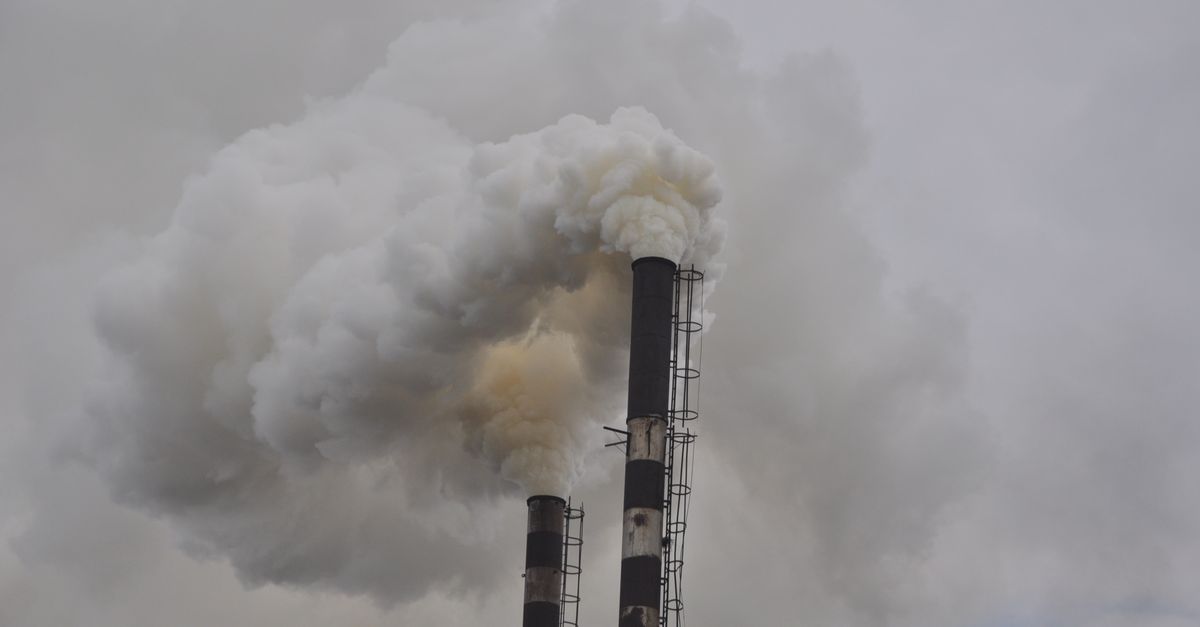
Introduction: Pollution as a Byproduct of Industrial ProgressIndustrialization has transformed human civilization, raising living standards, extending life expectancy, and enabling global connectivity. Yet many of the sectors responsible for contemporary prosperity have likewise generated severe ecological harm. Atmospheric pollution, water contamination, soil degradation, biodiversity loss, and climate change are closely linked to industrial operations over the past two centuries. The following evaluation examines the ten most polluting industries in modern history, highlighting their environmental impact, historical evolution, and global consequences.1. Fossil Fuel Energy ProductionThe extraction and combustion of coal, oil, and natural gas constitute the foundation of contemporary energy frameworks.…
Read More
The 10 most critical volcanoes under surveillance for eruption hazards and safety

The 10 most critical volcanoes under surveillance for eruption hazards and safety

Grasping Volcanic Hazards in Contemporary SocietyVolcanoes rank among the most formidable natural systems on Earth. Although numerous eruptions remain moderate and are closely monitored, certain volcanoes merge high eruptive potential with heavily populated surroundings, volatile magma networks, or past records of devastating blasts. Such peaks are deemed particularly perilous, driven as much by the sheer magnitude of human exposure as by their inherent geological traits.Below are ten of the most dangerous actively monitored volcanoes on the planet, selected based on eruptive history, magma composition, explosivity, monitoring assessments, and nearby population density.1. Mount Vesuvius (Italy)Type: Stratovolcano Last major eruption: 1944 Nearby…
Read More
Industries that showed resilience through the Great Depression economic collapse

Industries that showed resilience through the Great Depression economic collapse

Introduction: Economic Collapse and Unexpected ResilienceThe Great Depression, which began with the stock market crash of 1929 and extended through much of the 1930s, caused an unprecedented global economic downturn. In the United States alone, unemployment reached nearly 25 percent, industrial production fell by almost 50 percent, and thousands of banks failed. Yet even in this environment of widespread hardship, certain industries not only survived but in some cases expanded. Their resilience stemmed from necessity, affordability, innovation, or shifts in consumer behavior.Below are ten industries that weathered the Great Depression alongside the economic catalysts that kept them afloat.1. Food and…
Read More
The unique elements of Yohji Yamamoto’s creative process

The unique elements of Yohji Yamamoto’s creative process

Comprehending the Unique Design Philosophy of Yohji YamamotoYohji Yamamoto stands as an icon in the fashion landscape, recognized for a transformative approach that challenges traditional norms. His work is celebrated not only for its technical innovation but also for its artistic integrity, upending entrenched paradigms of beauty, gender, and form. Examining what makes Yamamoto’s fashion language truly unique reveals how he has continually shaped global perceptions of style since the early 1980s.Deconstructing Silhouettes: Embracing ImperfectionDeconstruction deeply fascinates Yohji Yamamoto, serving as a core pillar of his creative philosophy. Instead of following the rigid boundaries of traditional tailoring, he redefines how…
Read More
The first successful use of ether anesthesia and its impact on modern surgery

The first successful use of ether anesthesia and its impact on modern surgery

1. The First Successful Use of Ether Anesthesia (1846)Before the mid-nineteenth century, surgery was a brutal, last-resort intervention performed at lightning speed to minimize agony. On October 16, 1846, at Massachusetts General Hospital, dentist William T. G. Morton publicly demonstrated the use of ether anesthesia during the removal of a neck tumor. The patient reportedly felt no pain.This single operation transformed medicine. Surgeons could now operate deliberately rather than desperately. Mortality rates dropped as procedures became more precise, and entirely new specialties—such as abdominal and thoracic surgery—emerged. Modern anesthesiology, patient monitoring systems, and critical care medicine trace their origins to…
Read More