
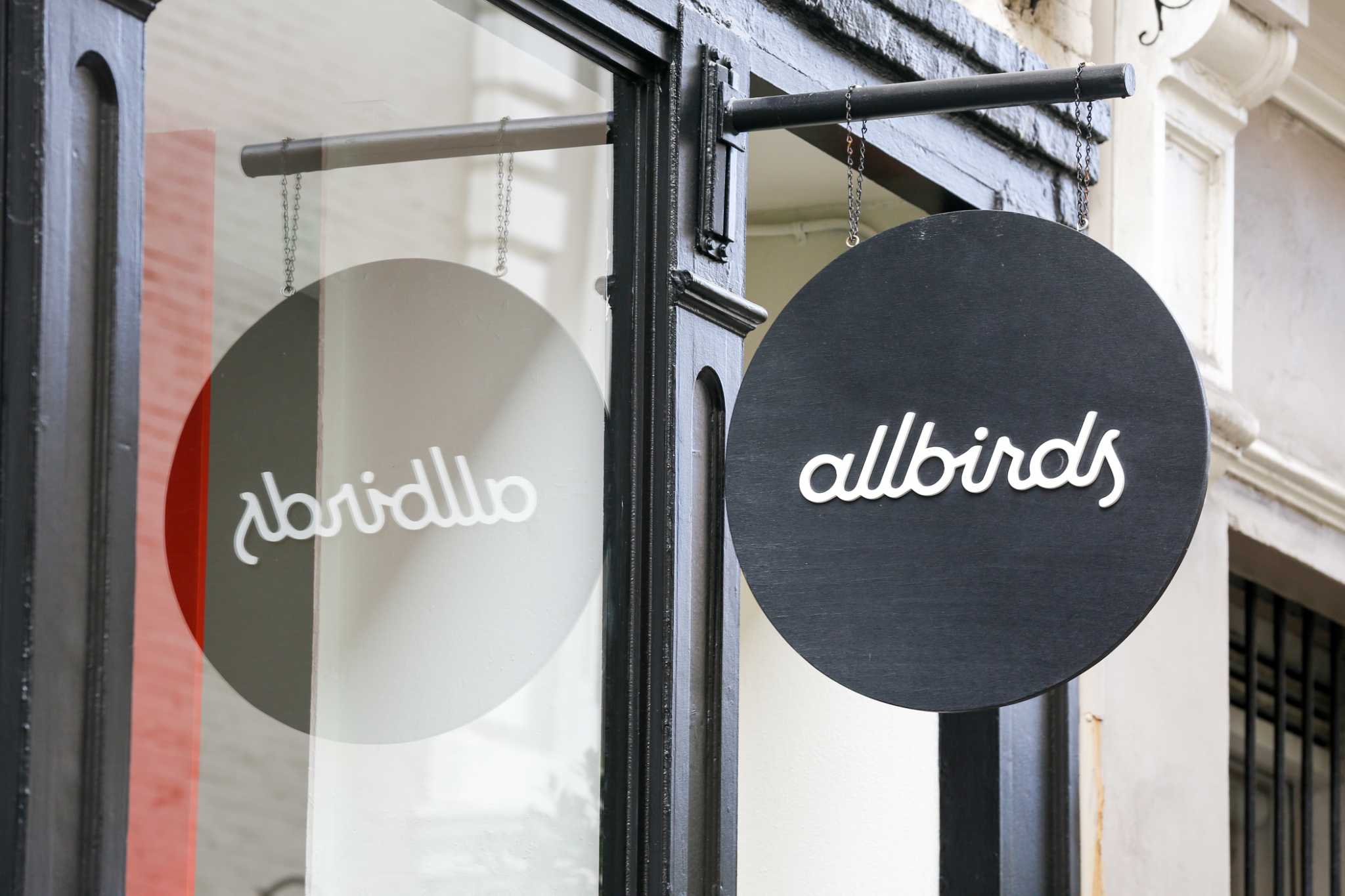
A once-iconic footwear brand is undergoing a dramatic transformation after years of declining performance. The company is leaving behind its sustainability-driven identity to reposition itself in the fast-growing artificial intelligence sector.
In an unexpected turn that caught both investors and industry observers off guard, Allbirds has announced a sweeping change in its business model, signaling the end of its original mission and the beginning of a new chapter centered on artificial intelligence infrastructure. The move comes after years of financial struggles and declining market relevance, marking a decisive break from the company’s identity as a pioneer in eco-conscious fashion.
The market responded at once and with striking force, as the company’s shares jumped noticeably at the opening after the announcement, signaling revived investor enthusiasm fueled by its shift toward a more technology-centered outlook, a surge that arrives even though the firm has endured a long stretch of weak performance since going public, during which its valuation dropped well below its previous peaks.
Founded in the mid-2010s, Allbirds emerged as a standout in a new generation of consumer brands that prioritized sustainability, understated aesthetics, and direct-to-consumer business models, with its wool sneakers gaining notable traction among tech professionals and becoming a familiar sight throughout Silicon Valley and other hubs as early achievements were driven by venture capital support, compelling narratives centered on environmental stewardship, and a rising demand for ethically minded products.
From sustainability pioneer to struggling retailer
Although the company initially gained strong traction, it encountered increasing obstacles as it broadened its operations. Its swift expansion, marked by launching numerous physical retail outlets worldwide, strained the underlying business model. A significant number of these locations did not produce sufficient sales to offset their expenses, intensifying the firm’s persistent financial pressures.
At the same time, evolving consumer habits revealed weaknesses in the brand’s value proposition, as sustainability, though still appealing, did not reliably drive purchases; many shoppers favored price, comfort, and style over environmental concerns, making it harder for Allbirds to sustain its competitive position within the crowded footwear landscape.
Industry analysts began to question the long-term viability of the company’s strategy. The initial enthusiasm surrounding eco-friendly products, while impactful from a branding perspective, proved insufficient to sustain growth at scale. As competition intensified and new players entered the market, Allbirds struggled to differentiate itself in a way that resonated with a broader audience.
The company’s weakening trajectory became evident in its financial results and declining market value, and although it had reached its highest valuation in the early 2020s, the brand soon slipped into a persistent slump that eroded investor trust and invited growing doubts about its future direction. By the time it started assessing potential strategic options, it had already become a noticeably reduced version of what it once was.
Selling the past to build a new future
The turning point emerged when the company chose to sell off its primary footwear division, and this step, which essentially closed the chapter on its identity as a shoe manufacturer, saw Allbirds transfer its branding and footwear assets to an independent brand management firm for only a small portion of their former valuation, giving the company a chance to recalibrate its strategy and pursue completely new paths for expansion.
Following the sale, the organization announced plans to rebrand itself under a new name, signaling a complete departure from its origins. The new entity will focus on developing and managing artificial intelligence infrastructure, specifically in the area of high-performance computing. This includes acquiring advanced hardware designed to support the growing demand for AI applications.
Central to this new direction is the concept of providing computing resources as a service. Rather than producing consumer goods, the company intends to operate as a provider of processing power, enabling other businesses—particularly startups—to access the computational capabilities required for machine learning and data-intensive tasks. This model reflects broader trends in the technology sector, where demand for scalable infrastructure continues to rise.
To facilitate this transition, the company has obtained significant funding dedicated to purchasing specialized equipment, such as high-performance graphics processing units. These resources are vital for handling advanced AI workloads and form a key element of the company’s long-term operational strategy. This move places the business within a fast-growing area of the tech sector, though one known for its intense competition and substantial capital demands.
Redefining corporate identity and priorities
As it undergoes operational changes, the company is likewise reassessing its core principles, signaling through its restructuring efforts a shift away from its earlier focus on environmental and social impact, including proposed revisions to its corporate charter that would eliminate language referencing its dedication to broader public benefits.
This decision represents a significant departure from the values that once defined the brand. Allbirds had built much of its reputation on its sustainability narrative, positioning itself as an environmentally responsible alternative within the fashion industry. The shift away from this identity reflects both changing business priorities and the realities of its new strategic focus.
The proposed changes will need to be approved by shareholders, underscoring how crucial investor alignment is to the company’s ongoing transformation, while stakeholders are left considering how the choice may impact the balance between purpose and profitability and what long-term effects could emerge from stepping away from a mission-focused strategy.
The redefinition of the company’s identity also underscores a broader trend in the business world, where organizations are increasingly willing to pivot dramatically in response to market pressures. In this case, the transition from footwear to artificial intelligence represents not just a change in products or services, but a complete reinvention of the company’s role in the marketplace.
Market response and upcoming outlook
The immediate surge in stock price following the announcement suggests that investors are optimistic about the company’s new direction, at least in the short term. The artificial intelligence sector has attracted significant attention and capital in recent years, driven by rapid advancements and widespread adoption across industries. By aligning itself with this trend, the company is positioning itself within a high-growth area that offers the potential for substantial returns.
Yet the long-range perspective is still unclear. Moving into the AI infrastructure arena introduces a different range of obstacles, from fierce rivalry with longstanding technology companies to the requirement for substantial, continuous capital. Achieving positive outcomes will hinge on the company’s capacity to implement its strategy successfully and set itself apart within an increasingly saturated market.
For observers, the transformation raises important questions about adaptability and resilience in the face of changing market conditions. While the company’s original vision captured the spirit of a particular moment in consumer culture, its new direction reflects the evolving priorities of both investors and the broader economy.
The evolution from a sustainability‑oriented sneaker label into a technology‑centric infrastructure provider showcases how rapidly contemporary businesses can transform, as companies must constantly reevaluate their direction, react to shifting external forces, and, when needed, completely reinvent their identity, making this transition both unusually bold and striking in the way it underscores the significant risks and possibilities tied to decisive strategic shifts.
Ultimately, the company’s future will hinge on how effectively it manages this transition and builds trust within an entirely new field, and whether it can truly reinvent itself is still uncertain, though its journey illustrates how rapidly circumstances can shift in today’s fast-paced business world.