Economy

Poland: How manufacturing investors evaluate energy costs and workforce availability

Manufacturing Investors in Poland: Energy Prices & Labor Supply

Manufacturing investors evaluate energy costs and workforce availability as two of the most decisive variables shaping location, scale, capital intensity, and long-term competitiveness. Poland combines a large industrial base, strategic location in Central Europe, and a transforming energy mix. That mix, and the availability of skilled labor, determine operating margins, capital allocation to efficiency or on-site generation, and the speed with which a facility can be staffed and scaled.Energy landscape and what investors analyzeEnergy sources and transition trajectory: Poland historically relied heavily on coal-fired generation but is rapidly diversifying. Important structural elements for investors include the growing share of renewables…
Read More
Greece: How investors assess shipping, tourism, and energy as long-term pillars

Greece: Assessing Shipping, Tourism, Energy for Investment

Greece remains one of Europe’s most distinctive investment landscapes because three sectors—shipping, tourism, and energy—are deeply interwoven with the country’s geography, history, and recent policy choices. Investors assess these sectors as long-term pillars by weighing structural advantages, demonstrated resilience, regulatory shifts, and measurable returns. The following analysis synthesizes the evidence, examples, and metrics that shape investor views and explains the practical cases and risks that matter when allocating capital to Greece.Macroeconomic landscape that guides investor evaluationsGreece remains a Eurozone participant showing stronger fiscal indicators and benefiting from substantial EU funding, with more than €30 billion deployed in recent years through…
Read More
Allbirds shares soar 600% as it pivots from footwear to AI

Allbirds’ 600% Rally Driven by AI Pivot

A once-iconic footwear brand is undergoing a dramatic transformation after years of declining performance. The company is leaving behind its sustainability-driven identity to reposition itself in the fast-growing artificial intelligence sector.In an unexpected turn that caught both investors and industry observers off guard, Allbirds has announced a sweeping change in its business model, signaling the end of its original mission and the beginning of a new chapter centered on artificial intelligence infrastructure. The move comes after years of financial struggles and declining market relevance, marking a decisive break from the company’s identity as a pioneer in eco-conscious fashion.The market responded…
Read More
Prague, in the Czech Republic: What makes a SaaS company sticky in B2B markets

Prague, in the Czech Republic: Mastering B2B SaaS Stickiness

Prague stands out as a dynamic European tech center that has nurtured B2B SaaS firms capable of serving demanding enterprise clients throughout Europe and worldwide. The fundamental market conditions that determine long‑term retention for companies based in Prague tend to be universal: enterprises prioritize stability, reliable ROI, and seamlessly integrated workflows. This article outlines the drivers behind resilient customer relationships in B2B SaaS, highlights practical tactics with examples from firms founded in Prague, and offers a clear, data‑oriented guide for founders and growth executives.What “sticky” means in B2B SaaSRetention over acquisition: Customers stay and expand, not churn rapidly after initial…
Read More
Chile: Why mining value chains create opportunities beyond extraction

Mining in Chile: Creating Opportunities Beyond Extraction

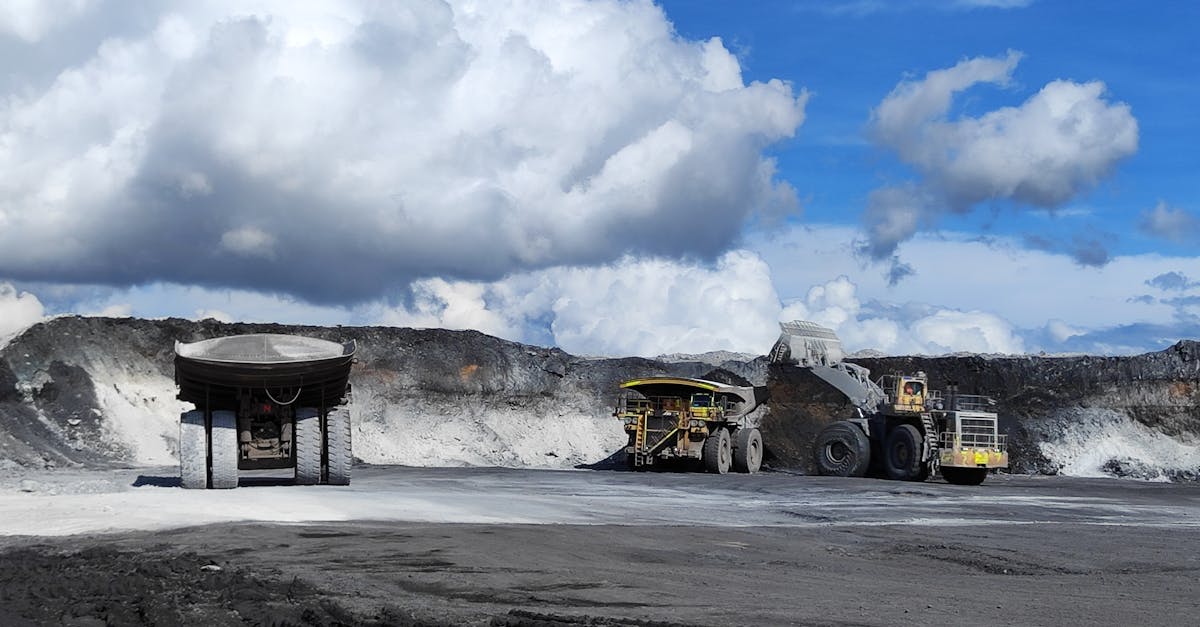
Chile has long stood as a symbol of large-scale mining, particularly copper. While extraction remains vital, its traditional dominance is reshaping the country’s development strategy, as greater economic and social influence now comes from generating value beyond raw output. Broadening activity outside the mine itself—through processing, manufacturing, services, technology, and recycling—can boost employment, diversify export structures, lessen exposure to commodity swings, and speed up decarbonization. The following explains why these openings emerge and illustrates them with examples, contextual data, and practical takeaways.Foundations: Chile’s mining landscape and its broader economic relevanceChile is one of the world’s largest producers of copper and…
Read More
Asunción, in Paraguay: How SMEs improve cash flow with supply-chain finance

Asunción, Paraguay: SME Cash Flow Optimization via SCF

Small and medium-sized enterprises (SMEs) in Asuncion face familiar cash-flow pressures: long payment terms from larger buyers, limited access to affordable credit, and seasonal demand swings. Supply-chain finance (SCF) is a set of working-capital solutions that shifts financing toward the credit profile of stronger buyers or automates early-payment options for suppliers. For many SMEs in Asuncion, SCF can convert receivables into predictable cash, reduce reliance on expensive short-term loans, and improve supplier-buyer relationships while lowering the overall cost of capital for the chain.Local context: The SME landscape in Asuncion and its financing shortfallsAsuncion is Paraguay’s economic and administrative center. SMEs…
Read More
Norway: How energy transitions create investable opportunities beyond oil and gas

The Norwegian Energy Shift: Profitable Ventures Beyond Fossil Fuels

Norway, long associated with its oil and gas legacy, is now reshaping its strengths — from ample renewable power and sophisticated maritime expertise to robust capital markets and a highly trained workforce — to open new investment pathways beyond hydrocarbons. This shift is not a matter of instantly substituting one source of revenue for another; instead, it focuses on transforming the nation’s energy-system advantages into industries capable of drawing private investment, expanding industrial value chains, and lowering carbon emissions for Europe and global markets.Why Norway is well positionedNorway’s power system is dominated by hydropower, providing stable, low-carbon electricity across seasons.…
Read More
Sweden: How companies embed sustainability into profitability, not just reporting

Sweden’s Path to Sustainable and Profitable Businesses

Sweden has evolved into a testing ground showing how companies can turn sustainability into a source of profit rather than merely satisfying regulations, with its firm policy structure, dynamic capital markets, sophisticated industrial strengths, and innovation-driven culture motivating businesses to rethink products, services, and financing so that environmental performance lowers expenses, creates new income opportunities, and reduces investment risk; this article details the underlying mechanisms, presents concrete Swedish cases, and highlights practical methods organizations apply to transform sustainability into quantifiable business value.Market conditions and policy frameworks that facilitate integrationSweden’s policy landscape encourages firms to move past simple disclosure, as enduring…
Read More
Giro del dólar en Colombia hoy 26 de febrero de 2026: cómo abrió y qué señales deja para el mercado

Ecuador: How dollarized economies change credit, inflation, and investment planning

Ecuador adopted the United States dollar as its legal tender in 2000 following a severe banking and currency crisis. That pivotal decision removed exchange rate swings against the dollar and placed monetary policy under the influence of the U.S. Federal Reserve. Dollarization reshaped the country’s macroeconomic landscape: it brought price stability and anchored inflation expectations, yet it also eliminated vital policy instruments such as a domestic lender of last resort, an autonomous interest rate framework, and the ability to finance fiscal gaps through money creation. These structural changes continue to shape credit conditions, inflation trends, and investment strategies in ways…
Read More
Santiago de Chile: How pension funds shape local capital markets and long-horizon investing

Santiago de Chile: Pension Funds’ Long-Term Investment Role

Santiago is not just Chile’s political and financial hub; it also serves as the core of a pension-driven capital market widely regarded as a global benchmark for private, long-term institutional investment. Across the city’s exchanges, corporate boardrooms, fixed-income operations, and project finance platforms, a financial system functions in which private pension funds stand among the most significant, enduring, and influential institutional participants. This article explores how the concentration of retirement assets reshapes capital deployment, market dynamics, corporate governance, and the motivations behind long-horizon investment strategies.Foundations and core frameworkThe modern Chilean pension model rests on an individual capitalization system built in…
Read More