
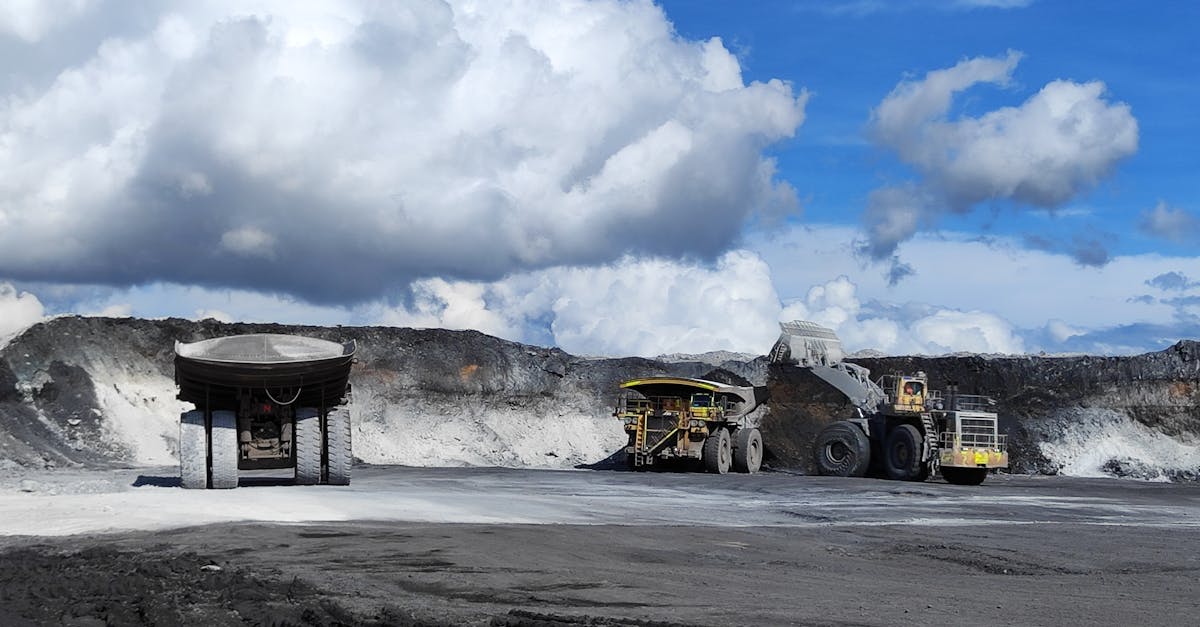
Chile has long stood as a symbol of large-scale mining, particularly copper. While extraction remains vital, its traditional dominance is reshaping the country’s development strategy, as greater economic and social influence now comes from generating value beyond raw output. Broadening activity outside the mine itself—through processing, manufacturing, services, technology, and recycling—can boost employment, diversify export structures, lessen exposure to commodity swings, and speed up decarbonization. The following explains why these openings emerge and illustrates them with examples, contextual data, and practical takeaways.
Foundations: Chile’s mining landscape and its broader economic relevance
Chile is one of the world’s largest producers of copper and a significant producer of lithium, molybdenum, and other strategic minerals. Copper accounts for a large share of Chilean exports and government revenue; mining contributes a substantial portion of GDP and regional employment in northern provinces. Because mining generates high volumes of raw materials at scale, even modest shifts in processing or manufacturing can capture large additional value.
– Global context: Chile delivers a significant share of global copper mine production and holds some of the world’s most extensive lithium brine reserves. Demand for copper and battery minerals is expected to rise sharply as global energy systems electrify, creating long‑term opportunities throughout downstream markets. – Economic effect: Shifting from the export of concentrates to the production of refined metals or manufactured components raises export value per ton and fosters more technologically skilled and better‑paid employment than extraction by itself.
Where value naturally flows downstream
Value extends past mere extraction as it progresses through multiple interconnected nodes.
- Concentration to smelting and refining: Transforming raw ore into finished metal (cathode, refined copper) secures smelting margins and reduces reliance on external refining operations.
- Battery material production: Progressing from lithium brine to lithium carbonate or hydroxide, then to cathode active materials (CAM) and precursor compounds, and ultimately to full battery-cell fabrication.
- Component manufacturing: Production of wire, cable, tubing, copper-based electronic parts, and components for electric motors.
- Industrial services: Drilling, blasting, mine engineering, equipment upkeep, tailings oversight, and integrated water and energy solutions.
- Recycling and circular economy: Urban mining aimed at recovering copper and lithium, along with battery reclamation and alloy reprocessing.
- Technology and digital services: Automation systems, predictive monitoring, advanced data analytics, DLE (direct lithium extraction), and software for process control.
Targeted opportunity segments supported by illustrative examples and case studies
- Refining and smelting
- Turning concentrates into cathode copper and ultra‑pure materials helps reclaim the margins that foreign smelters typically retain. Investments in electrolytic refining and advanced smelting enable Chilean producers to export higher‑value metals instead of concentrates. Both state entities and private companies, including major national operators, have considered boosting capacity to retain more processing at home and reinforce supply‑chain stability for international buyers.
- Battery value chain (lithium to cells)
- Lithium sourced from brines is frequently sold abroad as basic carbonate or hydroxide. Expanding facilities for precursor production, cathode active materials, and full battery‑cell assembly introduces several value‑added steps. With global demand for electric vehicles and grid storage climbing rapidly, developing a domestic or regionally linked battery hub could secure a substantial portion of the downstream value generated by Chile’s lithium reserves.
- Direct Lithium Extraction (DLE) and process innovation
- Emerging methods such as DLE minimize water consumption and speed up recovery. Pilot initiatives in Chile draw startups and specialized service providers focused on membranes, sorbents, and chemical‑processing technologies. Scaling these innovations opens opportunities for exporting know‑how and equipment to brine‑mining operations worldwide while helping address local sustainability challenges.
- Water, tailings, and environmental services
- Water scarcity has driven advances in desalination, water‑reuse systems, and dry‑tailings solutions. Contractors and equipment manufacturers that deliver dependable technologies, including desalination plants, paste backfill, and filtered‑tailings systems, can market their expertise and products to mines across the globe.
- Green energy integration and hydrogen
- Incorporating renewable power and green hydrogen into mining operations to reduce emissions stimulates demand for new engineering capabilities and domestic production of electrolyzers, power‑electronics components, and control systems. Chile’s broader commitment to green hydrogen fosters additional links, including hydrogen‑based chemicals, fertilizer manufacturing, and energy‑storage industries tied to mining regions.
- Mining services and digitalization
- High‑margin service exports include drill‑and‑blast expertise, autonomous hauling systems, predictive‑maintenance tools, and digital‑twin solutions. Chilean engineering firms and tech startups specializing in cold‑climate or autonomous applications, as well as brine‑chemistry optimization, can expand effectively into global markets.
- Recycling and urban mining
- As metals circulate through power infrastructure and batteries, recovering copper and lithium from end‑of‑life materials becomes an increasingly important domestic and export opportunity. Building facilities for battery recycling and metal recovery helps retain valuable metals that would otherwise be lost.
Economic and social consequences
Capturing more of the value chain delivers measurable benefits:
- Higher local incomes: Processing and manufacturing typically rely on more specialized, better-compensated labor compared with basic extraction.
- Industrial diversification: Broadening activity into chemicals, components, services, and technology exports helps limit vulnerability to swings in commodity prices.
- Regional development: Mining areas may cultivate supplier networks, vocational institutions, and complementary sectors (logistics, fabrication) that remain active long after extraction ends.
- Environmental gains: Managing processing locally can encourage cleaner systems, more efficient water recycling, and improved tailings practices that comply with heightened national environmental requirements.
Barriers and trade-offs
Transitioning down the value chain is not automatic. Key barriers include:
- Capital intensity: Smelters, chemical plants, and battery fabs require huge up-front investment and long-term offtake agreements.
- Skills and technology gaps: Upgrading workforces and creating deep R&D capabilities takes time and coordinated policy.
- Market access and competition: Global players in batteries and refining are already established; Chilean firms must compete or partner effectively.
- Regulatory and social considerations: Local content rules, taxation, and community consultation must balance industrial promotion with social and environmental safeguards.
Effective policy tools and business approaches that deliver results
To translate mining endowments into broader value, governments and firms can use complementary levers:
- Targeted incentives: Short-term tax breaks, preferential loans, and investment guarantees offered for downstream facilities help spur activity.
- Public–private partnerships: Joint funding for demonstration plants, research hubs, and skill-building initiatives helps lower private-sector exposure.
- Cluster development: Designated zones, industrial parks with shared services, and streamlined logistics networks can cut per-unit expenses for emerging manufacturers.
- Procurement and long-term contracts: Government agencies or major established purchasers can lock in extended offtake agreements for domestically processed metals, improving project bankability.
- Support for startups and technology transfer: Incubators, competitive funding schemes, and collaborative ventures help advance commercialization of DLE, recycling, and digital mining technologies.
Practical examples shaping future pathways
– Upgrading smelting and refining capacity can shift export composition from concentrates to refined metal, as shown by global cases where mineral-rich countries retained more value through downstream investment. – Pilot DLE projects and partnerships between technology startups and established producers demonstrate how niche process innovation can both improve sustainability and create exportable services. – Investments in desalination and filtered tailings have local environmental benefits and global market potential for engineering service exports.
Chile’s wealth of minerals serves as a foundation rather than a final goal, as the nation’s edge in copper and lithium can draw investment into refining, battery components, industrial services, and recycling, all of which foster more employment, better earnings, and stronger protection against volatile prices. Unlocking this potential calls for intentional policy frameworks, long-horizon financing, workforce training, and robust environmental and social stewardship. When governments, companies, and surrounding communities unite to promote downstream value, mining shifts from dependence on a single resource to a catalyst for broader industrial diversification. This shift recasts mining sites as centers of innovation, circular practices, and regional growth, spreading advantages far beyond the extraction zone.